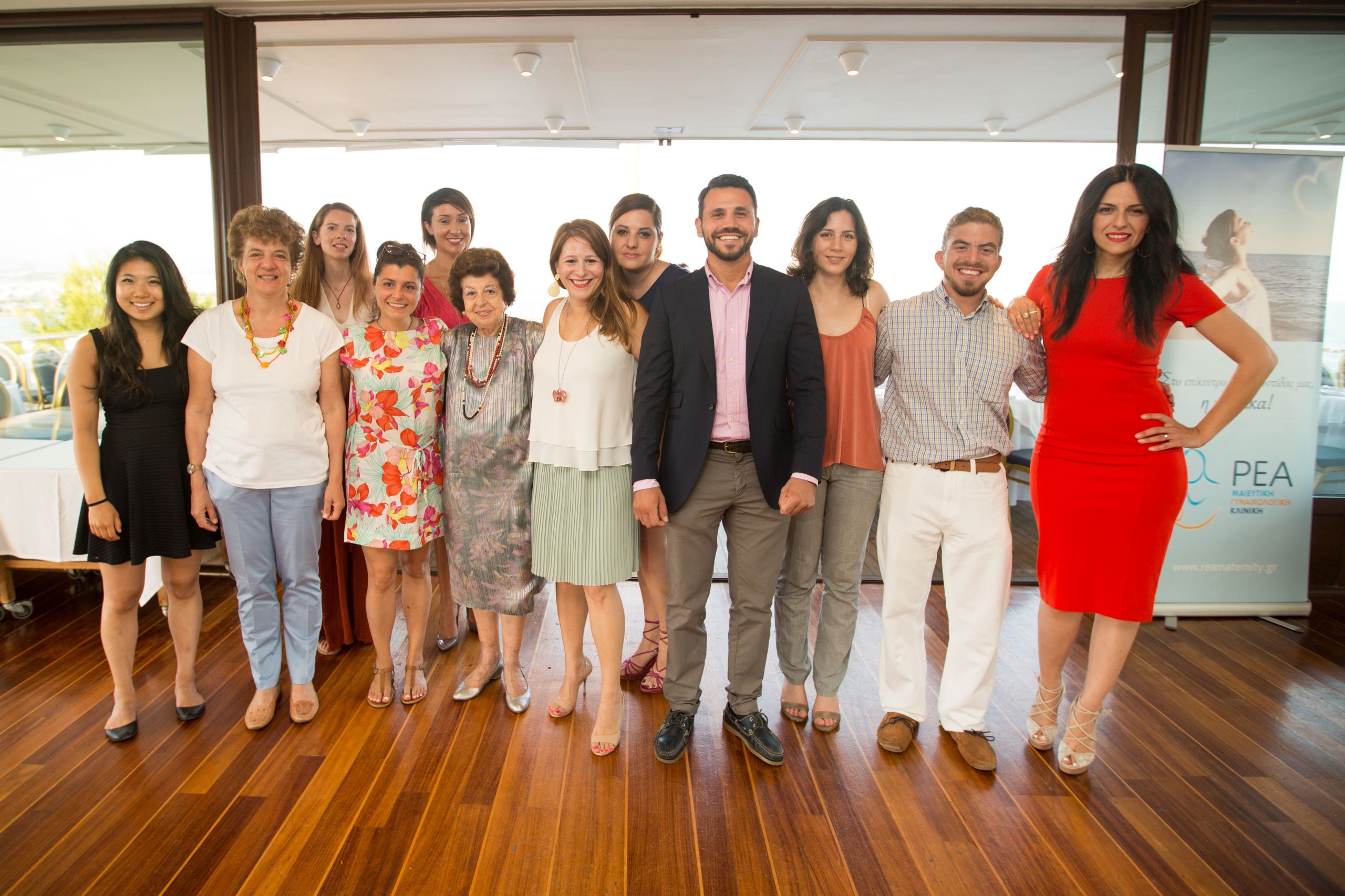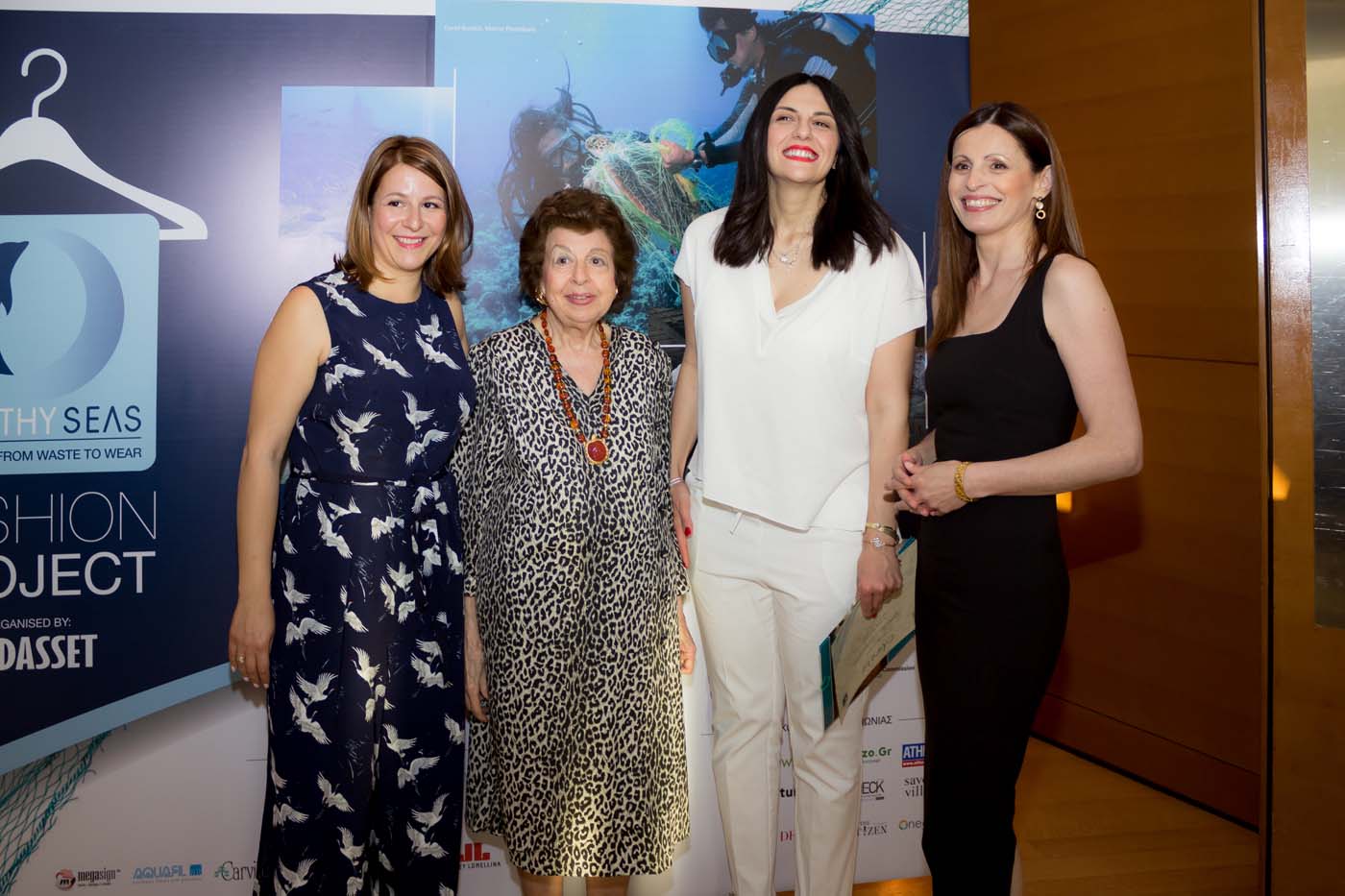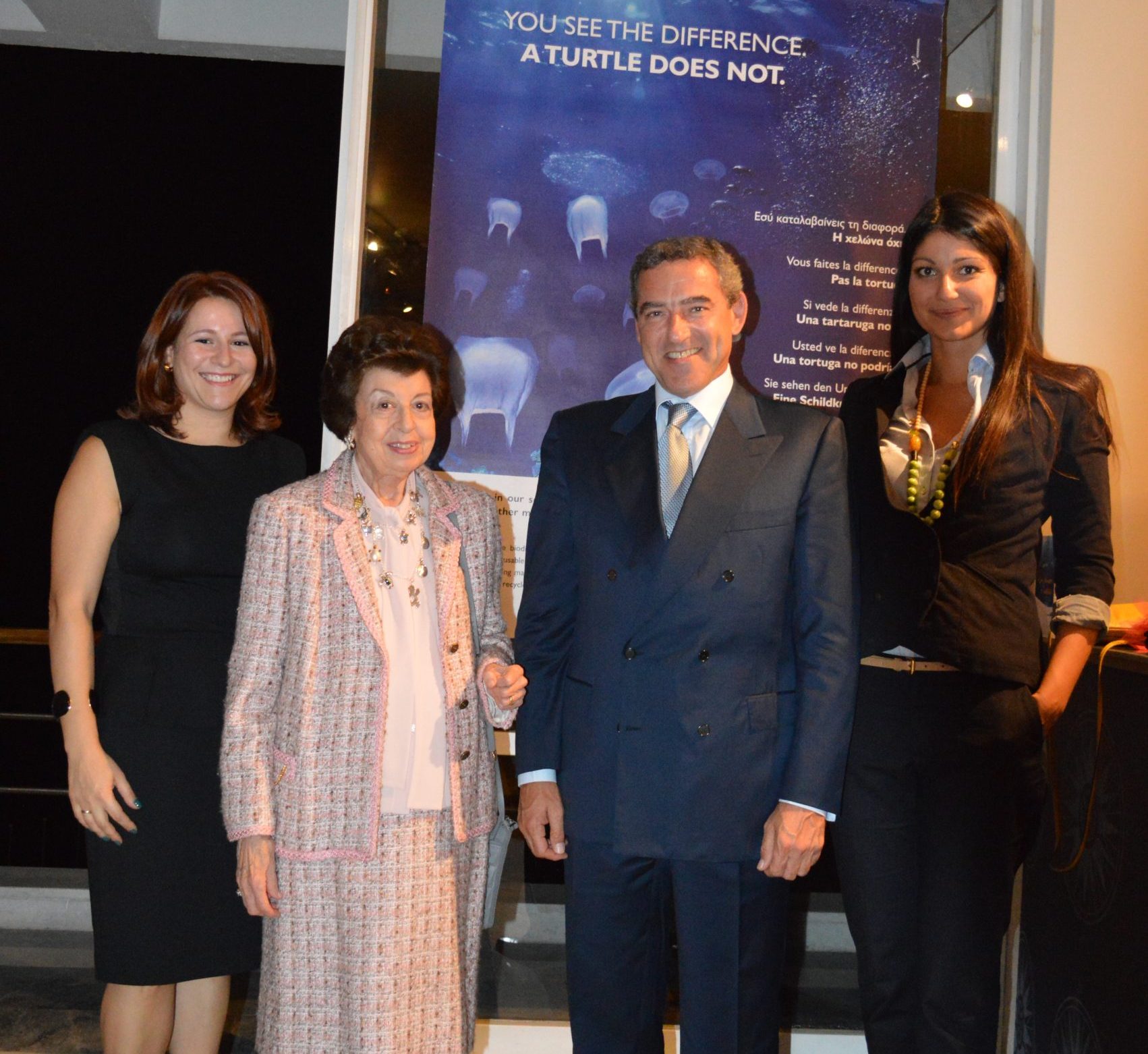
On Lily Venizelos, Persistence and Sea Turtle Conservation
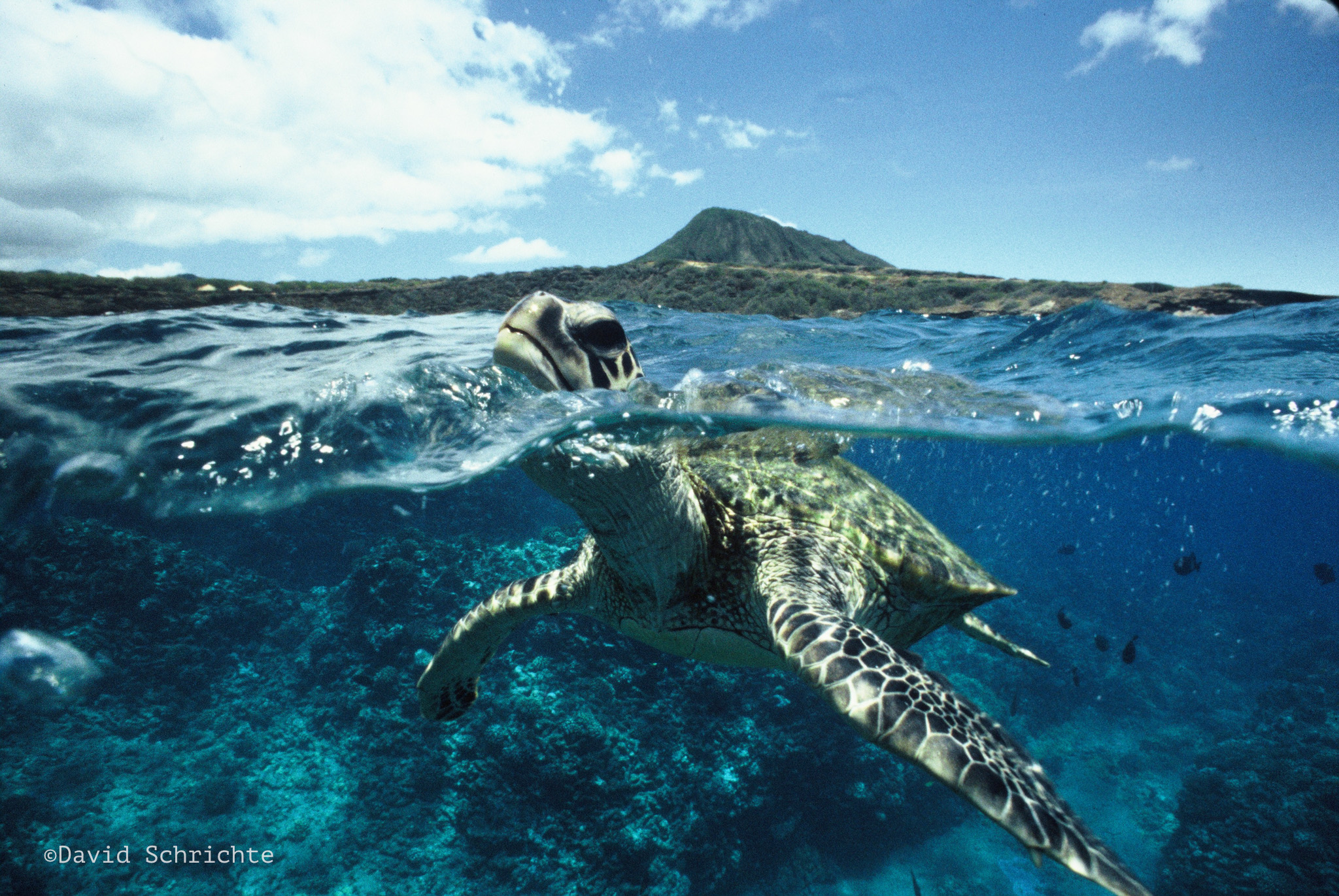
Photo credit: © David Schrichte
If you are connected to sea turtle conservation in Greece and the Mediterranean, April 2nd 2026 marked a historic moment.
After nearly 40 years of uninterrupted service, Lily Venizelos stepped down from her role as President of MEDASSET.
I was there at the organisation’s General Assembly where the transition formally took place, nearly twenty years after I first entered into Lily’s apartment in Athens for the first time.
For many people working in marine conservation, Lily has been far more than the founder of an NGO. She has been the doyenne of sea turtle conservation in the Mediterranean: a formidable presence, deeply respected internationally, and a force that helped shape an entire movement through persistence, conviction and personal diplomacy.
Her resignation signals the end of an era.
And yet, the next chapter cannot be shaped around a single personality in the same way, because Lily is unique. What she built over decades was inseparable from her persistence, character and ability to cultivate relationships across generations and countries. Carrying that vision forward will now require something more collective.
On the day of the election, during which I was selected to serve on the Internal Audit Committee, something personally meaningful after spending more than a decade as staff within the organisation, Lily said two things that stayed with me.
The first was that she believed she could have done even more had she started earlier, a retrospective thought that revealed both humility and the enormity of her commitment.
The second was that nobody enters this field for personal gain or self-interest, but only out of love and a bit of madness.
That sentence captures something essential about a generation of environmental advocates who worked long before sustainability became mainstream, institutionalised or professionally attractive. People who dedicated themselves to causes that were often underfunded, uncertain and emotionally exhausting, simply because they cared deeply.
What I learned from Lily above all was persistence.
Not the polished, motivational version of persistence often discussed today, but the real kind: continuing despite setbacks, bureaucracy, disappointment, politics and fatigue. Continuing because the mission mattered more than recognition.
She also understood something that is sometimes underestimated in environmental work: conservation is built on relationships. Lily invested enormously in people, networks and personal connections across countries, institutions and generations. In many ways, that instinct reflected both her personality and her aristocratic upbringing — a natural understanding that influence is not exercised only through authority or expertise, but through presence, trust, hospitality and long-term human relationships.
For decades, that ability helped hold together a remarkably wide Mediterranean conservation community.
Transitions like this inevitably provoke reflection about continuity, leadership and renewal within the environmental sector. Institutions evolve, generations change, and environmental challenges become more complex. But some foundations remain constant: commitment, credibility, persistence and love for the natural world.
Lily helped build those foundations for sea turtle conservation in the Mediterranean.
And many of us are deeply grateful for it.