Facilitating Dialogue on the Future of Eco-Moorings in Greece

Photo credit: © Joe Snowdon Photography
On World Oceans Day, we are reflecting on a recent initiative that brought together industry, conservation and governance stakeholders around a shared challenge: how to protect Posidonia meadows while ensuring that future eco-mooring solutions are practical, accessible and effective for those who use Greece’s coastal waters.
As Greece advances new marine protection frameworks and plans for two new marine parks, discussions around anchoring practices and Posidonia protection are becoming increasingly important. While eco-moorings are increasingly recognised as part of the solution, their successful implementation depends on more than environmental objectives alone. Governance, affordability, maintenance, user experience and stakeholder buy-in will all play a critical role in determining their long-term success.
To help encourage early engagement and constructive dialogue around these issues, Sustainable Sailing Greece launched the Eco-Mooring Commitment initiative.
The commitment recognises that protecting Posidonia meadows requires collaboration across sectors and seeks to create opportunities for meaningful engagement between those shaping policy, those managing marine environments and those who depend on them every day.
Humanitas supported the initiative through strategic communications, stakeholder engagement and the development of a bilingual report capturing the key themes, questions and recommendations that emerged from the discussion, helping create a platform for informed dialogue around the future implementation of eco-moorings in Greece.
From Commitment to Conversation
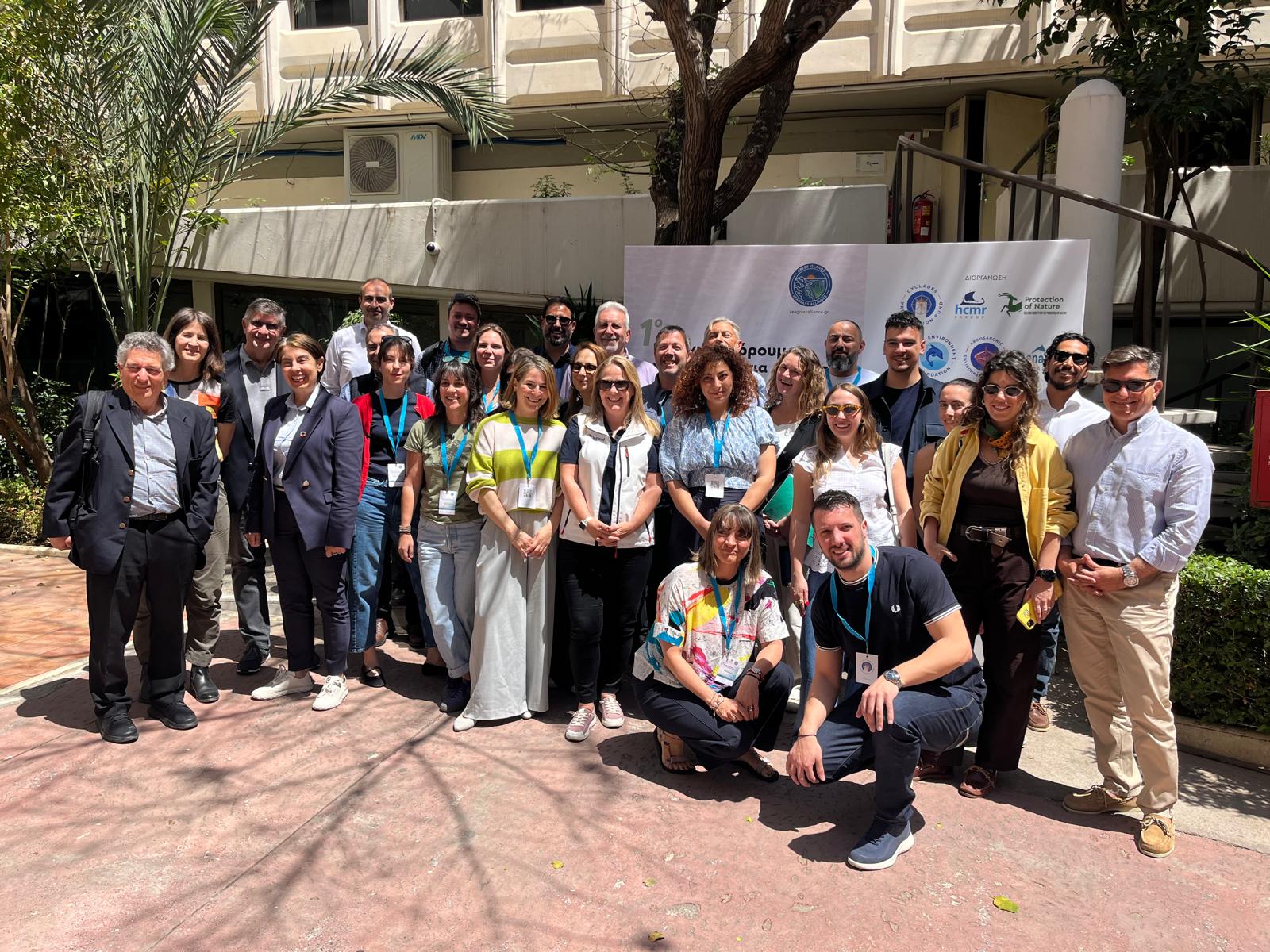
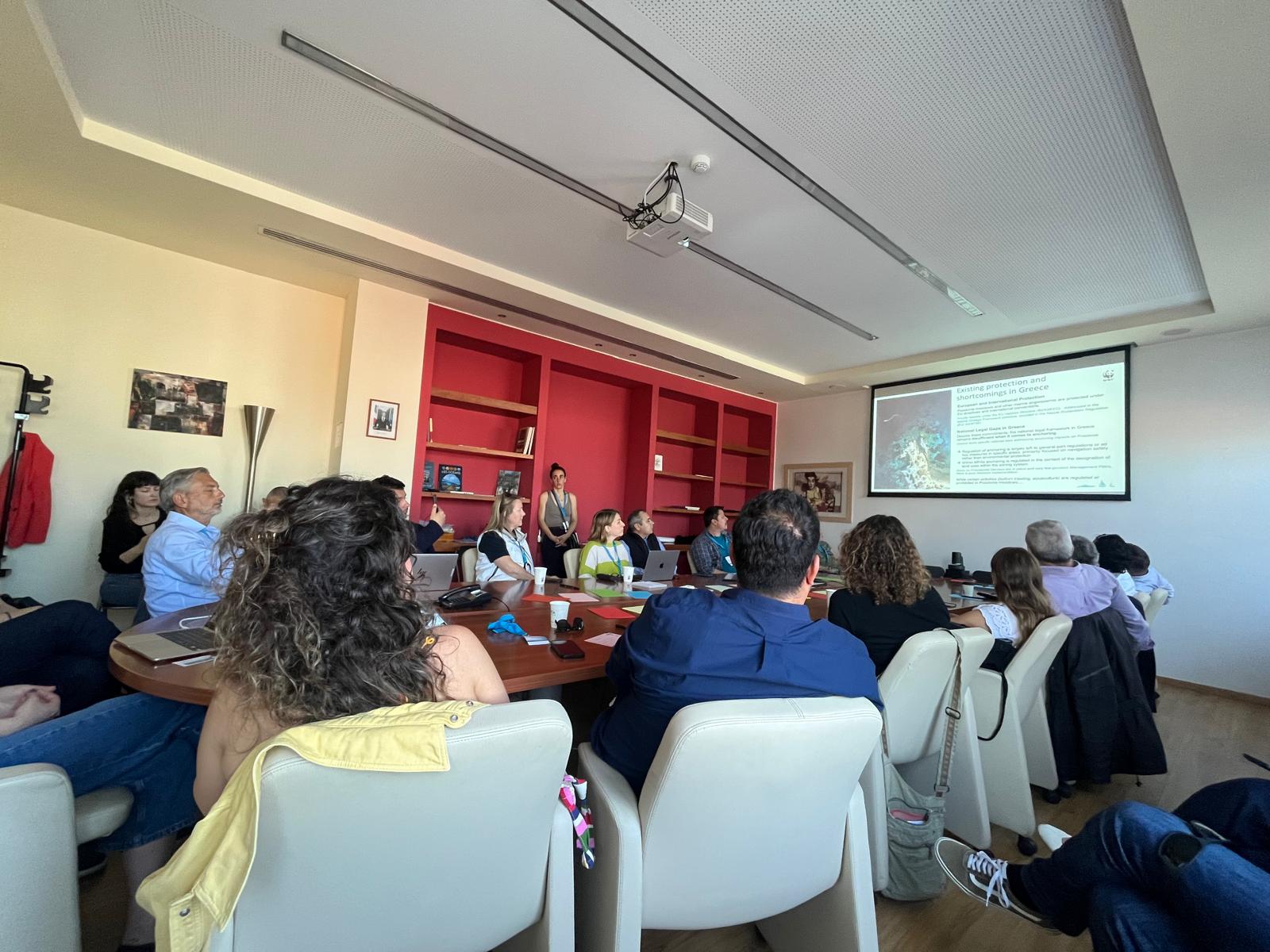
A key milestone of the initiative took place on 30 April 2026 during the first Greek Seagrass Forum, when Sustainable Sailing Greece convened a dedicated roundtable bringing together representatives from the sailing, charter, conservation and marine governance sectors.
The objective was not simply to discuss the environmental case for eco-moorings, but to explore the practical realities of implementation.
Participants discussed a wide range of issues, including governance and management models, affordability and financial sustainability, maintenance responsibilities, liability and insurance considerations, user experience and public acceptance. The discussion also drew on experiences from other sailing destinations where eco-mooring systems have already been implemented, including the Balearic Islands, the United Kingdom and the Caribbean.
One of the strongest messages to emerge was the willingness of sailing and charter sector stakeholders to contribute operational knowledge and practical experience to future conversations. Participants repeatedly emphasised that successful implementation will depend on solutions that are environmentally effective while remaining practical, reliable and accessible for users.
Capturing Stakeholder Insights
To ensure these perspectives could continue to inform future discussions, the key discussion themes, stakeholder perspectives and recommendations were compiled into a bilingual report available in both English and Greek.
The report highlights several recurring discussion threads, including:
- Governance, ownership and long-term management models;
- Affordability, financial sustainability and pricing structures;
- Liability, insurance and maintenance responsibilities;
- User experience, communication and public acceptance;
- Lessons learned from eco-mooring systems already operating in other sailing destinations.
The resulting report is intended as a resource for future conversations around eco-mooring planning and implementation in Greece.
Looking Ahead
The Sustainable Sailing Greece Eco-Mooring Commitment was designed not as an endpoint, but as the beginning of a broader conversation.
As Greece advances marine protection planning and considers future eco-mooring deployment, continued collaboration between industry, conservation organisations, local communities and public authorities will be essential.
Initiatives such as this demonstrate the value of creating opportunities for meaningful dialogue between stakeholders with different perspectives but a shared interest in protecting the marine environment and ensuring that solutions are both effective and practical.